
Flash Flood Watch
A kind of weather report

Aloha, welcome to the puka1 in my brain. Or at least to those minute threads of twisting thought that make it through my vulnerability barrier to share on these public pages.
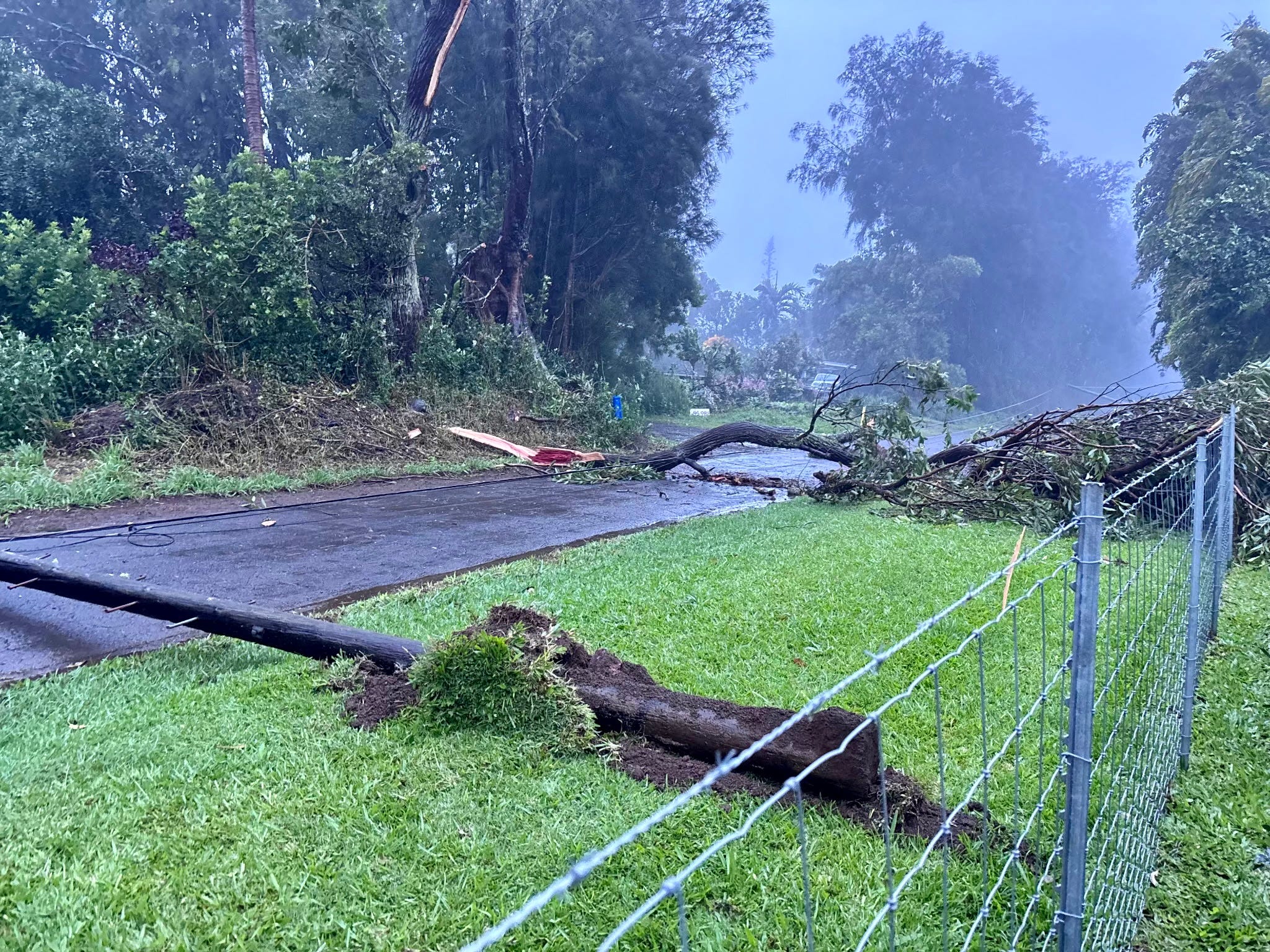
As happens with some regularity, the post I had primed for this week got interrupted by emerging events and will appear, with some modifications, most likely, a week from now. Itʻs windy here with gusts over 50 mph driving the rain from the “wrong” direction, hitting the front rather than back of our carefully oriented homes. Big trees and power lines are down and I am cozily grateful for the solar system that I installed late last year, with Canadian Solar batteries currently giving me another 57 hours to type and post online.2
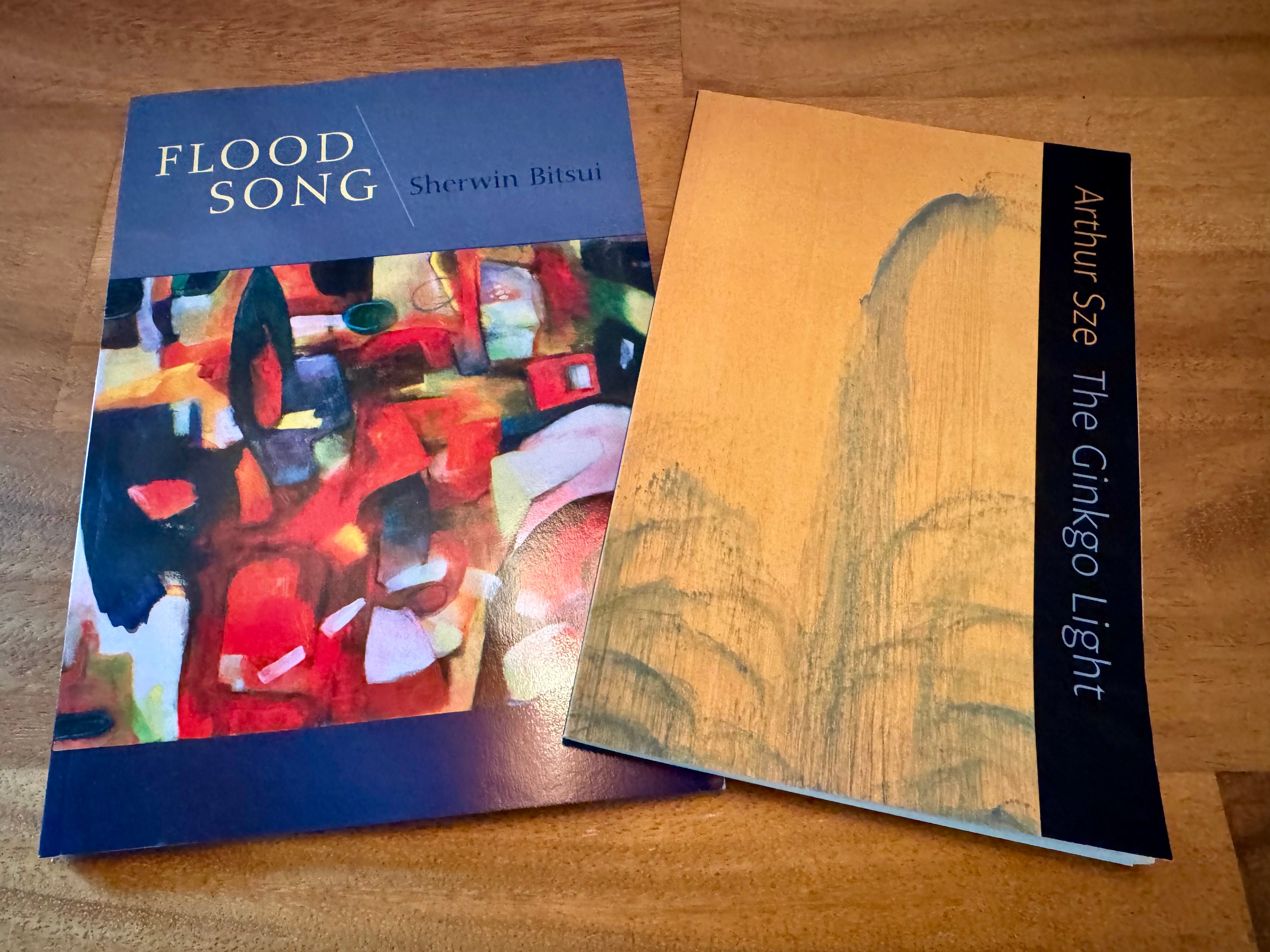
If you have been reading the past few weeks/months, you know that I am now a short three weeks away from leaving for Arizona for my Freeflow Institute Grand Canyon experience. While any vacation or wilderness experience will begin to take up space in your brain, body, and conversations as it approaches, this particular adventure has of necessity displaced much of what would normally occupy my “leisure time.” My training plan to comfortably(??) ascend the Bright Angel Trail now requires at least ten hours of each week; virtually all my non-work-related reading is the curriculum for the writing portion facilitated by Diné poet Sherwin Bitsui. Every friend and acquaintance in every brief encounter wants to know how its going. How its going? I feel like I did in graduate school, unable to judge whether I am ever doing enough.
Hereʻs how my week went from sunny to stormy.
Monday. The second of our two Freeflow Institute Upper Grand Canyon Cohort zoom meetings. This gathering was intended for us to meet our writing instructor and vice versa. Near the end Sherwin spoke for a bit about poetry and poetics, about the poems in his book Flood Song, inspired to explore the flash floods that can occur on the plateaus of the Navajo Nation where he was born and raised. I had not yet begun Flood Song, having started with his later (and more difficult) Dissolve.
I threw Flood Song into my carry on bag, thinking I would have time on airplanes and between meetings while I was on O’ahu later in the week.
Tuesday. The world was threatened by fire not water. Episode 43 of this Kilauea eruption began around 9 am as I was leaving the house for my first appointment. Surreptitiously watching the live stream on our phones during the appointment, we gasped as the red flame turned gray and black at its edge and an explosive plume of tephra threatened the camera lens. “Hail” the size of black volcanic golf and tennis balls accumulated to a depth of 2-6 inches in the Park and nearby residential neighborhoods. The main road around the southern portion of the island was closed. Flights out of Hilo were canceled. Civil Defense urged residents on catchment water systems to disconnect before their household water became contaminated.
That day, the news feeds brought reports of war exacerbating the water crisis in Iran. I think of how the targets “we” bombed are creating an environmental crisis of both fire and water for residents. I think military and water and I think Red Hill3.
Wednesday. More Civil Defense alerts. Hawai’i County Volcano Watch ends as Statewide Flood Watch begins. During winter, our predominant fierce tradewind pattern can yield to slow and low, to low pressure systems arriving from the west and lingering, to lingering winds with bursts of heavy rain . We call these Kona (leeward) storms. As I drove to Kona airport for my flight to Honolulu, I was heading into the Kona storm, with flash flood warnings already in effect for Kauai and O’ahu.
On the flight I read these Flood Song words:
The storm lying outside its fetal shellfolds back into antelope earsand hears its heart pounding through powdery earthunderneath dancers flecking dust from their ankles to thunder into rain.
And I think ʻōlapa. Lightning flashing, hula dancers kupeʻe circling their ankles feet pounding the stage at Merrie Monarch rain pounding the roof of the stadium hearts pounding voices scream-pounding in excitement, also a tree, a tree of dancing leaves, also a fish, a fish for sorcery like cupidʻs arrow a lightning bolt to the heart or a stab in the back.
All of these are the single word ʻōlapa. A flash goes off in my brain illuminating poetry and poetics. The poems begin to unravel themselves.
Thursday. Schools on Oʻahu are canceled due to Flood Watch but the Capitol is open. At the Capitol it is a moment of calm in the legislative storm as I make the rounds. Third floor, second floor, fourth floor in that order. The restaurant where we have a private dinner for 10 that evening is also open, although we descend from the second floor with full hearts and bellies to find the main restaurant flooding, splashing our way laughing past the kitchen while unperturbed diners sit on high stools at the bar.
I am videoing our group noisily splashing and think dancers. One has earned the rank Ōlapa Hula these are dancers and teachers of dancers a hālau a school splashing gracefully upstream to the puka and out the door as if it were a mākāhā the gate of a loko iʻa allowing us back into the ocean of the lāhui of our community.
Friday. I awake with my head wine-pounding, Uber Prius splashes me back to the airport, we lele ahead of the storm. The solar system app, alerted to the possibility of power outages, warns me, sends a pictorial message a lightning bolt charging the battery to full ahead of the storm.
Saturday. Winds and rain arrive in the wee hours and I awake to neighborʻs calls and group text. Trees down taking power lines down. No floods in our neighborhood, so far those are in Kaʻu and Puna where they are now warning not watching. “A Flash Flood Warning means that flooding is imminent or occurring.” I have solar power and I am writing.
Three of us hosted the Thursday night dinner, a dinner we had won in heated bidding, an auction item at a Hawaiʻi Land Trust fundraiser last fall. We each invited guests. As we stitched together pilina, relationships between the three of us and our newly introduced guests, we spoke of the “flash flood of newcomers4” post-pandemic and how it has changed Hawaiʻi. We spoke of how rising real estate prices drove out many local families. We spoke of the way in which this invasion and exodus triggered generational trauma. We spoke of military leases and Overthrow and their legacy for people and places dear to us.
As I continue my reading of Flood Song today, I hear echoes. Of violence and displacement and erasure. Of cultural resistance and persistence. Of a People and their Place.
At dinner on Thursday night we also spoke of the counter-current: the rising tide of kanaka leadership, of cultural values and thinking infiltrating decisions and practices in government and tourism and conservation and the private sector. The work in which we share. We spoke of tendrils of hope for the future and the iron of our will.
We pukaʻed out with some of the dark clouds of heaviness we carried in lifted from us.
We splashed through the flood waters with joy.
What I had intended to write for you this week was about trees. About myself as a killer of trees. About taking out the trees before the trees take out your power.
Iʻll leave you with that weather report.
For those not familiar with ʻōlelo Hawaiʻi or Hawaiian pidgin, “puka” means a hole or opening, or a door, or as a verb the moment the sun rises over the horizon or the roadway spills into a town or a beloved grandchild graduates from their preschool.
In antiquity, e.g. before the solar system existed, I wrote these thoughts when The Power Went Out.
This is the Wikipedia version of the Navyʻs underground fuel storage tanks directly over the main aquifer that provides water for residents of Oʻahu. If you are interested in learning more, the book to order is Waiwai: Water and the Future of Hawaiʻi.
In 2021, I wrote a blog on our Hawaiʻi Life real estate website, Is the Welcome Mat Out for Newcomers to Hawaiʻi?
I’ve met that vulnerability barrier. You wear it well.
And you’ve seen fire and you’ve seen rain….☔️